
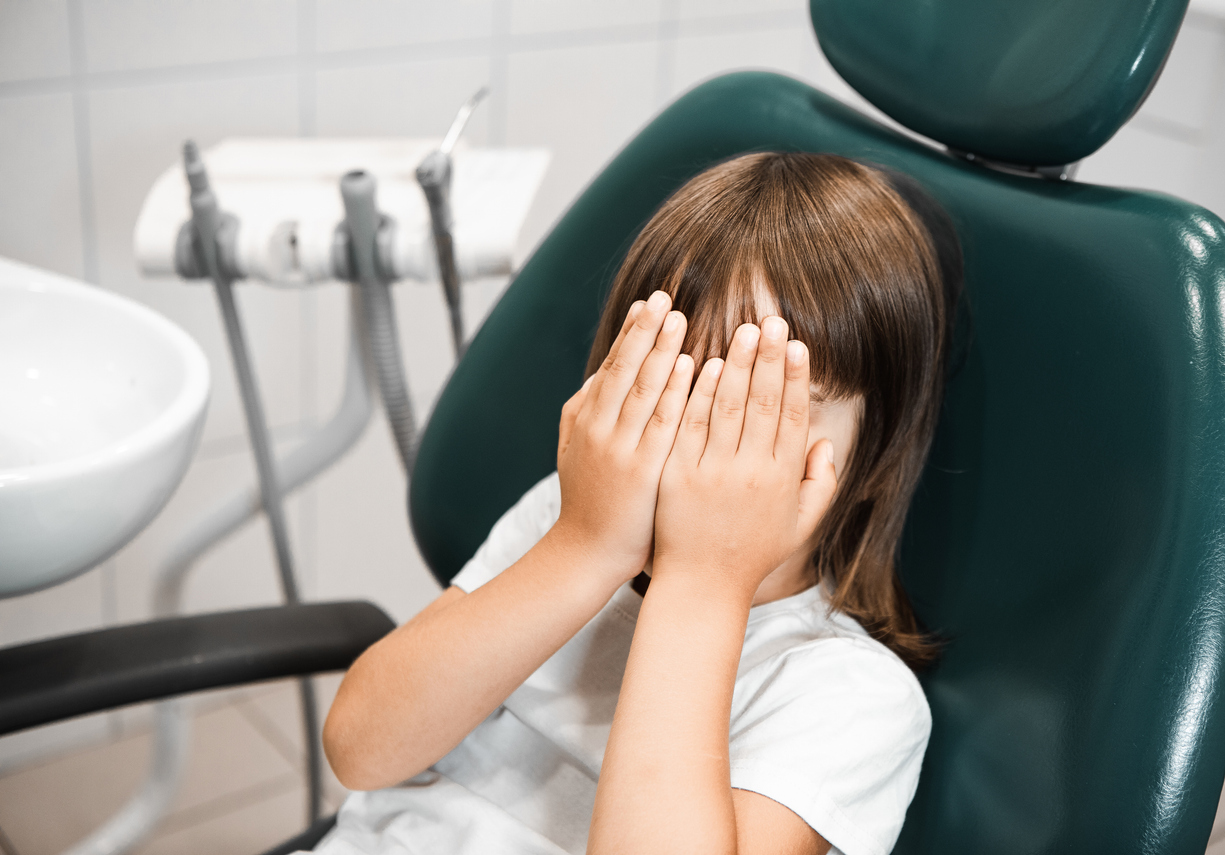
| Quick Answer: Dental fear is one of the most common reasons parents delay children’s dental treatment — and it’s often the reason a small issue becomes a bigger one. Sedation dentistry can help some children receive care more comfortably when fear or anxiety would otherwise prevent treatment. Spring is the ideal time to get caught up on postponed dental work — ahead of summer travel and while school schedules are predictable. |
If you’ve been putting off your child’s dental work because they panic in the chair, you’re far from alone. Dental anxiety affects somewhere around 1 in 5 children, and for many families, it’s the reason cavities go unfilled, crowns are postponed, and small problems grow into bigger ones. At Children’s Dentistry and Orthodontics, we see this pattern all year, but spring is when we see the most families finally ready to make the appointment.
There’s a good reason for that — and a good option when fear is the obstacle.
Why Dental Fear Keeps Families From the Office
Parents don’t delay care out of neglect. They delay because the last visit was hard, or because their child comes home talking about it for days, or because the thought of another fight to get in the car is genuinely exhausting. None of that makes you a bad parent. It makes you a parent whose child has real feelings about the dentist.
But untreated cavities don’t heal on their own. They grow. And the longer dental work is postponed, the more likely it is to become an urgent visit instead of a scheduled one — which tends to be more frightening for a child, not less.
How Sedation Dentistry Changes the Experience
Sedation dentistry can help some children receive care more comfortably when fear or anxiety would otherwise prevent treatment. For some children, completing treatment calmly may help prevent fear from escalating over time. Many children improve with gradual exposure, pediatric behavior guidance techniques, and positive dental experiences. Sedation is considered when anxiety remains a barrier to safe or effective care. Our sedation dentistry options range from very light (laughing gas for mild anxiety) to deep (general anesthesia for children who can’t cope with being aware during the procedure).
For most anxious kids, the right level is lighter than parents expect. A small number of kids benefit from deeper sedation. Either way, the goal is the same: get the treatment done in a way that doesn’t make the next visit harder.
What Types of Sedation Are Available for Anxious Kids?
At our Las Vegas offices, we offer the full range of pediatric sedation options, matched to each child’s specific anxiety level and treatment needs:
- Nitrous oxide (laughing gas) — inhaled through a nose mask, effective for mild to moderate anxiety, wears off within minutes
- Oral sedation — a liquid medication taken before the visit that produces drowsy, calm cooperation
- General anesthesia — reserved for extensive treatment or children with complex needs, in partnership with appropriate surgical facilities
Our team will talk through which option fits your child’s situation before anything is scheduled. You won’t be surprised on the day of.
Why Spring Is the Right Time to Schedule
Spring works for a specific reason: the logistics are favorable. School routines are steady but not as intense as fall or exam-season spring. Summer travel hasn’t started. Sports seasons are manageable. And getting a sedation appointment done before summer means you’re not scrambling to fit it around camp, vacation, or the next school year.
There’s also a psychological reason. Spring is when families tend to be more willing to start new habits — a fresh routine, a reset for the rest of the year. If dental fear has been the sticking point in your family’s care, this is a natural time to break the cycle.
Scheduling Sedation Visits in Las Vegas
Families across the Las Vegas metro area — including North Las Vegas, Anthem, and Pahrump — rely on our team for sedation-supported pediatric care. We accept Medicaid and most insurance plans, and our current $99 New Patient Special covers a first-visit exam, X-rays, and cleaning, which is often the right starting point for a child who’s been away from the dentist for a while.
If your child hasn’t been seen in over six months — or if a previous visit ended badly — this spring is a good moment to reach out and talk through what sedation could look like for them.
|
Ready to reset your family’s dental routine this spring? We truly care about your child’s health and happiness. Reach out to get your child’s appointment scheduled. We can’t wait to see you. Children’s Dentistry and Orthodontics │ Greater Las Vegas, NV │ Book Now → |